Lesson Packages vs Pay-As-You-Go: Which Is Better for Language Teachers?
A data-backed comparison of package-based and per-class pricing for language teachers. Covers retention rates, income stability, student behavior, and when each model works best.
Should you let students pay per class, or require them to buy packages? It’s one of the most debated questions in the language teaching business.
The short answer: packages are better for most teachers in most situations. But not always. Here’s the full breakdown.
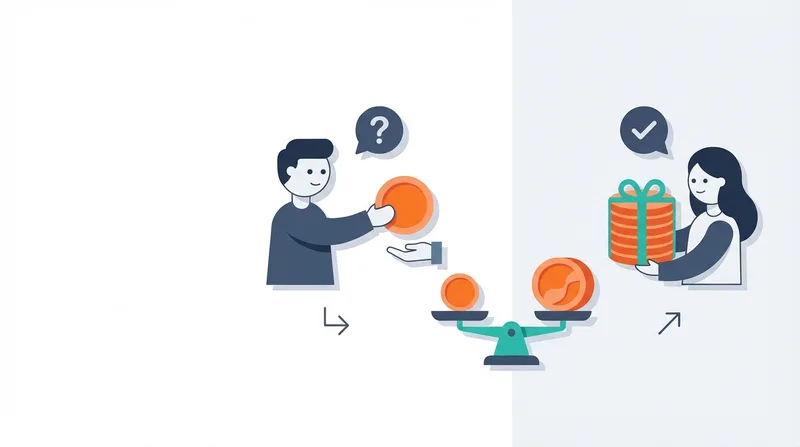
The Numbers Don’t Lie
| Metric | Pay-as-you-go | Packages |
|---|---|---|
| Student retention | 3-4 months average | 6-8 months average |
| Cancellation rate | 12-18% of booked classes | 5-8% of booked classes |
| No-show rate | 8-12% | 3-5% |
| Revenue predictability | Low (varies weekly) | High (known in advance) |
| Admin per student | High (invoice each class) | Low (one payment per package) |
| Average revenue per student | Lower | 20-35% higher |
The difference is stark. Package students are more committed, more reliable, and more profitable.
Why Packages Change Student Behavior
It’s not just about money. Packages change psychology:
Loss aversion. A student who paid $300 for 10 classes feels the “loss” of missing one. A student who pays $30 per class feels no loss when they skip - they simply don’t spend $30.
Identity commitment. Buying a package is a statement: “I’m someone who is learning Spanish.” Paying per class is: “I might learn Spanish this week.” These feel very different.
Routine formation. Package students tend to book their classes in advance (they want to use what they paid for). This creates a routine, which creates habit, which creates retention.
Reduced decision fatigue. Pay-as-you-go students make a “should I book?” decision every week. Package students already decided - they just show up.
When Pay-As-You-Go Works Better
Packages aren’t always the answer:
New students (first 2-4 classes). Let new students try you out per-class before asking for a package commitment. Pushing packages on day one feels aggressive and creates buyer’s remorse risk.
Occasional learners. Some students genuinely only want a class every 2-3 weeks (travelers brushing up, people maintaining a language they already speak well). Forcing them into a package with an expiry date frustrates them.
High-ticket specialized services. If you charge $80+/hour for executive coaching or specialized exam prep, some clients prefer per-session billing because the amounts are large and they may need flexibility.
Students with irregular schedules. Shift workers, frequent travelers, or students with unpredictable commitments may genuinely not know if they can attend regularly.
The Hybrid Approach (Best of Both)
Most successful teachers don’t choose one or the other. They offer both, with packages as the default:
Pricing structure:
- Single class: $35 (the anchor price)
- 5-class pack: $163 (save 7%)
- 10-class pack: $308 (save 12%) - “Most Popular”
- 20-class pack: $574 (save 18%)
The key: The single-class rate is always the most expensive option. This naturally pushes students toward packages without you having to “sell” anything.
Calculate your exact package prices with our free Pricing Calculator
How to Transition Existing Students to Packages
If you currently charge per class and want to move to packages, here’s how to do it smoothly:
Step 1: Introduce packages as an option, not a requirement
“I’m now offering lesson packages for students who want a better rate. You can still pay per class, but the 10-pack saves you 12%. Interested?”
Step 2: Offer a one-time transition deal
“As a thank you for being a regular student, I’m offering your first package at an extra 5% off.”
Step 3: Make the timing natural Bring it up when:
- They’ve been taking classes regularly for 4+ weeks
- They mention wanting to improve faster
- Their current “month” of classes is wrapping up
- They ask about pricing or discounts
Step 4: Don’t pressure Some students will switch immediately. Some will take a month. Some never will. That’s fine. The per-class rate is always available.
Package Management Challenges
The downside of packages is tracking complexity:
- Student A bought a 10-pack on March 1, used 6, late-cancelled 1 (deducted per your policy), has 3 remaining, package expires April 30
- Student B bought a 20-pack on February 15, used 12, has 8 remaining, but also owes you a no-show charge from last week
- Student C’s package expired yesterday with 2 unused classes. Do you extend it?
With 10+ students on packages, this becomes a spreadsheet nightmare. And errors mean either you lose money (forgetting to deduct a no-show) or your student gets frustrated (incorrect balance).
This is the core problem Teeachie solves. Every class completion, cancellation, and no-show automatically updates the student’s package balance. You see who has how many classes left, who’s expiring soon, and who needs to renew - all in one view.
Apply for free beta access - we’re accepting 50 language teachers.
The Bottom Line
| Situation | Recommendation |
|---|---|
| Regular students (1-2x/week) | Packages (10-pack default) |
| New students (first 2-4 classes) | Per-class, then offer package |
| Casual/irregular students | Per-class or small 5-pack |
| Business/exam prep clients | Packages (structured programs) |
| Group classes | Monthly subscription or per-term enrollment |
Start with a simple 3-tier package structure. Offer per-class as the expensive alternative. Let the pricing do the selling.
Related: How to sell lesson packages | How much to charge | Pricing Calculator | Payment tracking