How to Set Your Teaching Availability (Without Burning Out)
A guide to designing a sustainable teaching schedule. Covers how many hours to teach, when to block personal time, buffer periods, admin time, and signs you're overbooked.
Most new language teachers make the same mistake: they make themselves available for every possible hour, fill their schedule to the brim, and burn out within 6 months.
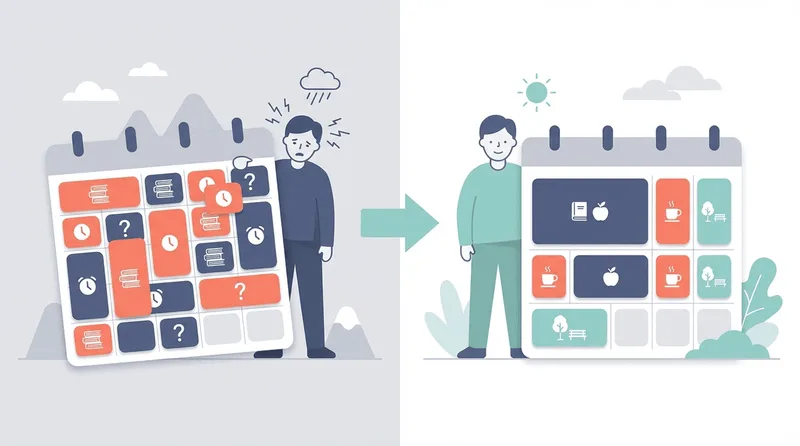
Teaching 8 hours a day sounds manageable until you realize each hour also requires preparation, follow-up, and emotional energy. A “full” teaching schedule is not the same as a full work day.
How Many Hours Can You Actually Teach?
The math most teachers get wrong:
“I want to earn $3,000/month at $35/hour, so I need to teach 86 hours/month = roughly 20 hours/week. Easy.”
What this ignores:
- Preparation: 10-30 minutes per lesson (depending on type)
- Admin: Scheduling, invoicing, messages, materials = 3-5 hours/week
- Cancellations: 5-10% of booked lessons won’t happen
- Energy: Hour 6 of teaching is not the same quality as hour 1
Realistic teaching capacity by experience:
| Level | Teaching hours/week | Total work hours | Notes |
|---|---|---|---|
| Part-time | 10-15 | 15-20 | Sustainable long-term alongside other work |
| Full-time | 15-22 | 25-35 | Sweet spot for most independent teachers |
| Intensive | 23-30 | 35-45 | Sustainable short-term, risky long-term |
| Overbooked | 30+ | 45+ | Burnout territory for most teachers |
The sweet spot for most full-time independent teachers is 18-22 teaching hours per week. This leaves room for prep, admin, marketing, and rest.
Use our Pricing Calculator to find the rate that hits your income goal at sustainable hours.
Designing Your Weekly Schedule
Rule 1: Block Personal Time First
Before adding any teaching slots, block:
- Lunch (non-negotiable - eating at your desk between students is not a break)
- Exercise/health time
- Family commitments
- One full day off per week (minimum)
These are not “nice to haves.” They’re what prevents you from hating your job in 6 months.
Rule 2: Create Teaching Blocks, Not Scattered Hours
Instead of: one class at 9am, gap, one at 11am, gap, one at 2pm, gap, one at 5pm…
Do: a morning block (9am-12pm) and an afternoon block (3pm-6pm).
Why blocks work better:
- You get into a teaching flow state
- Gaps between classes feel like wasted time (too short to do real work, too long to just wait)
- Students with adjacent slots can be rescheduled more easily within the block
- You have clear “off” periods for deep work (prep, admin, marketing)
Rule 3: Leave Buffer Time
5-10 minutes between classes for:
- Writing quick notes about the lesson
- Checking materials for the next student
- Getting water, stretching, resetting mentally
Back-to-back classes work fine mechanically. But 6 back-to-back hours with zero buffer is unsustainable.
Rule 4: Dedicate Admin Time
Block 2-3 hours per week for non-teaching work:
- Monday morning: Review the week, send any payment reminders
- Friday afternoon: Update records, plan next week, handle outstanding admin
If admin time isn’t scheduled, it bleeds into evenings and weekends.
Rule 5: Protect at Least One “Growth” Hour
Beyond teaching and admin, you need time for:
- Creating new materials
- Marketing (writing a blog post, posting on social media)
- Professional development
- Business planning
If every hour is either teaching or admin, your business never grows. You’re on a treadmill.
Signs You’re Overbooked
Watch for these warning signs:
- You dread looking at your calendar. If Monday morning fills you with dread instead of energy, your schedule is too full.
- Lesson quality is dropping. If you’re winging lessons because you didn’t have time to prepare, you’ve taken on too many students.
- You skip breaks. Eating lunch while answering WhatsApp messages is not a break.
- You’re working evenings and weekends on admin. Admin should fit within your work week, not spill over.
- Students notice. If students comment that you seem tired or distracted, believe them.
- You can’t take a day off. If cancelling one day would mean losing significant income, your business is too fragile.
What to Do If You’re Already Overbooked
Short-term (this week):
- Cancel or reschedule your least profitable classes this week
- Block one afternoon completely - no teaching, no admin
- Send a “schedule update” to students adjusting your hours
Medium-term (this month):
- Raise your rate by 10-15% for new students (reduces demand while increasing revenue)
- Move some 1:1 students into group classes (same income, fewer hours)
- Reduce your available hours and see if the sky falls (it won’t)
- Start a waitlist for your best time slots
Long-term (this quarter):
- Set your sustainable teaching hours and don’t exceed them
- Price yourself so that your comfortable teaching load meets your income goal
- Build systems that reduce admin time (scheduling tools, payment tracking, message templates)
- Consider hiring a virtual assistant for admin tasks once revenue supports it
Build a Schedule That Lasts
The goal isn’t to teach the maximum number of hours. It’s to teach the right number of hours at the right rate with the right systems so that you can do this for years, not months.
Your starter kit:
- Pricing Calculator - Find the rate that makes your sustainable hours meet your income goal
- Business Starter Kit - Personalized plan with student acquisition and scheduling advice
- Cancellation Policy - Protect the hours you do teach from no-shows and late cancellations
- Teeachie - Scheduling, payments, and student management in one platform
Apply for free beta access and get the admin burden off your plate.
Related: Recurring lessons guide | Student self-booking setup | Reduce no-shows | Handle cancellations | Scheduling features