How to Re-Engage Inactive Language Students (Without Being Pushy)
A step-by-step system for reaching out to students who stopped booking. Includes the 3-wave sequence, reason-based responses, passive re-engagement strategies, and message scripts.
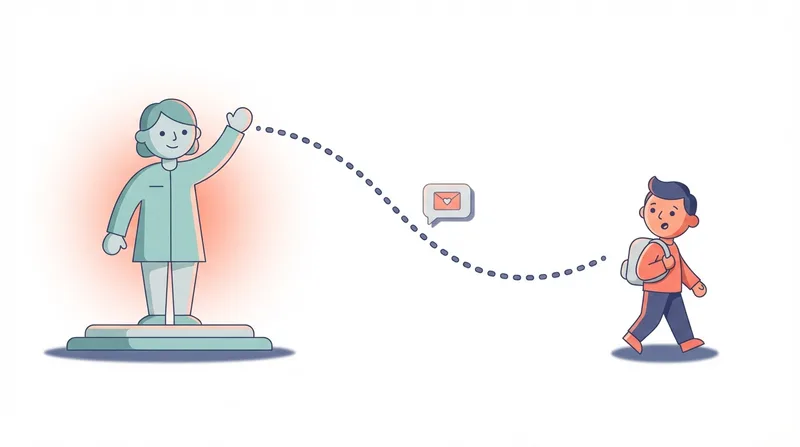
A student you’ve been teaching for 4 months stops booking. Last class was 3 weeks ago. They haven’t messaged. They haven’t cancelled. They just… disappeared.
You check their last class notes. Everything seemed fine. They were making progress. The lesson went well.
You want to reach out, but you don’t know what to say. “Hey, are you coming back?” feels desperate. “I noticed you haven’t booked” feels like an accusation. So you do nothing and hope they come back on their own.
They probably won’t. Data shows that after 1 month of inactivity, only 11% of lapsed customers re-engage without outreach. But with the right message, you can recover 10-30% of inactive students.
When Is a Student “Inactive”?
There’s no universal threshold, but these guidelines work for most teaching schedules:
| Normal Schedule | ”Inactive” After |
|---|---|
| 2x per week | 2 weeks without booking |
| 1x per week | 3 weeks without booking |
| Biweekly | 5-6 weeks without booking |
| Monthly/irregular | 2 months without booking |
The key is the break in pattern. A student who books weekly and then misses 2 weeks is more concerning than a student who books monthly and hasn’t booked this month.
Don’t wait too long. The optimal reactivation window is 2-8 weeks after the last class. After 3 months, the reconnection becomes significantly harder. After 6 months, you’re essentially starting from scratch.
Why Students Go Inactive
Understanding the reason changes your approach entirely.
Reason 1: Life Got Busy
The most common reason. Work deadline, family event, health issue, vacation. They fully intend to come back but keep postponing.
Signs: They were consistent before. No negative feedback. Just silence.
Reason 2: Financial Pressure
They can’t afford lessons right now but don’t want to say so. Many students feel embarrassed admitting money is tight, especially in a 1:1 relationship.
Signs: They asked about cheaper options, shorter lessons, or less frequent scheduling before going quiet.
Reason 3: Lost Motivation
They hit a plateau. Classes feel repetitive. They’re not sure lessons are “working.” The initial excitement has faded and they haven’t seen enough progress to justify continuing.
Signs: They seemed less engaged in recent lessons. Homework completion dropped. They mentioned feeling “stuck.”
Reason 4: Dissatisfaction (With You or the Format)
Something about the teaching style, pace, or content isn’t working. Most students won’t give negative feedback directly. They’ll just stop booking.
Signs: Harder to spot. Sometimes there were subtle cues: requests for different materials, comments about pace, comparisons to other learning methods.
Reason 5: They Achieved Their Goal
They went on the vacation, passed the exam, got the job. The original motivation is gone and they haven’t found a new reason to continue.
Signs: They mentioned their goal recently and seemed satisfied with their progress.
The 3-Wave Re-Engagement Sequence
Don’t send one message and give up. Use a spaced sequence that escalates in directness.
Wave 1: The Check-In (2-3 Weeks After Last Class)
Tone: Casual. Zero pressure. Zero guilt.
Goal: Open communication. Learn why they’ve been absent.
Hi [name]! I noticed we haven’t had a class in a while. Everything okay? No pressure at all, just checking in.
Why this works: It’s personal, short, and asks an open question. It doesn’t mention booking, money, or their “commitment.” It treats them like a human, not a revenue source.
If they respond: Listen first. Don’t pitch. If they say they’ve been busy, acknowledge it. If they mention a specific reason, address it (see the reason-based matrix below).
If they don’t respond: Wait 2-3 weeks, then send Wave 2.
Wave 2: The Value Add (5-6 Weeks After Last Class)
Tone: Helpful. You’re offering something, not asking for something.
Goal: Remind them of the value without explicitly selling.
Option A: Progress reminder
Hey [name]! I was reviewing my notes and saw that you were making great progress on [specific topic]. You were right at the point where [specific milestone]. Just wanted to share in case it’s useful motivation!
Option B: New resource
Hi [name]! I found a great [article/podcast/video] about [their interest area] that I thought you’d enjoy: [link]. It’s at a perfect level for where you are.
Option C: New offering
Hey [name]! I wanted to let you know I’ve started offering [group classes / shorter 30-min sessions / conversation-only sessions]. If your schedule or goals have changed, this might be a better fit.
Why this works: You’re giving value, not extracting it. The student feels thought of, not hunted.
Wave 3: The Soft Close (8-10 Weeks After Last Class)
Tone: Direct but warm. This is the last proactive message.
Goal: Get a clear signal. Yes, they’re coming back. Or no, they’ve moved on.
Hi [name]! I have a few openings in my schedule next month and wanted to see if you’d like to pick up where we left off. If your plans have changed, I completely understand. Either way, it was great working with you and the door is always open.
Why this works: It offers a clear path back (schedule openings) while also giving them an easy way to say no (no guilt, no obligation). The “door is always open” line means they can return in 6 months without awkwardness.
If no response after Wave 3: Stop active outreach. Add them to your passive re-engagement list (see below).
Reason-Based Response Matrix
When a student tells you why they’ve been absent, tailor your response:
| Reason | Response | Offer |
|---|---|---|
| ”I’ve been super busy" | "Totally understand. When things calm down, I’m here.” | Flexible scheduling, shorter sessions |
| ”Money is tight right now" | "No problem at all. Happy to pause and pick up later.” | Package deal, group class option, less frequent schedule |
| ”I feel stuck / not improving" | "That’s the intermediate plateau. I have a progress report that might surprise you.” | Progress tracking session, goal reset |
| ”I’m not sure lessons are the right format" | "What would work better? I can adjust the approach.” | Different lesson structure, more conversation, less grammar |
| ”I achieved my goal" | "That’s amazing! Congratulations! If you ever want to maintain or level up, you know where to find me.” | Maintenance sessions, new goal exploration |
Key principle: Never make the student feel guilty for leaving. Guilt doesn’t create loyalty. It creates avoidance.
Passive Re-Engagement (No Direct Outreach)
After the 3-wave sequence, shift to passive strategies that keep you on their radar without individual messages.
1. Monthly learning tip email Send a monthly email to all students (active and inactive) with a language learning tip, resource recommendation, or interesting article. Keep it short and genuinely useful. This creates a touchpoint without singling anyone out.
2. New offering announcements When you launch a group class, add new time slots, or offer a new format (conversation club, pronunciation workshop), announce it to everyone. Inactive students who left for specific reasons might find the new option appealing.
3. Seasonal motivation messages Align with natural motivation peaks:
- January: New Year language goals
- May/June: Pre-summer travel preparation
- September: Back-to-school energy, fresh starts
- November: End-of-year progress review
“New year, new language goals! If you’ve been thinking about getting back to [language], I have openings in January. Happy to pick up where we left off.”
4. Social proof signals If you post on social media or have a blog, share student success stories (anonymized), teaching highlights, or new materials. Inactive students who follow you are reminded of the value without any direct pressure.
What NOT to Do
Don’t guilt trip. “I’ve been keeping your time slot open” or “I noticed you stopped coming” puts blame on the student.
Don’t offer discounts as the first move. Discounts signal that your regular price isn’t worth it. Use them only if financial pressure is the confirmed reason, and frame it as a package deal, not a discount.
Don’t send more than 3 direct re-engagement messages. After 3, you’re crossing from helpful to annoying. Shift to passive strategies.
Don’t take it personally. Students leave for a hundred reasons, and most have nothing to do with your teaching quality. A student’s silence isn’t a review of your skills.
Don’t delete or forget them. Keep inactive students in your system. Some will come back months later. When they do, having their class history, progress notes, and learning plan ready is the most professional thing you can do.
Tracking Re-Engagement Results
Keep it simple. For each inactive student you reach out to, note:
- Date of last class
- Date you sent Wave 1, 2, 3
- Whether they responded (yes/no)
- Outcome (returned, paused, declined, no response)
Over time, you’ll learn your typical reactivation rate and which wave produces the most responses. Most teachers find that Wave 1 (the simple check-in) gets the highest response rate.
Teeachie’s student management shows you which students are active vs. archived, with full class history and notes. When an inactive student does return, all their previous progress, materials, and class notes are still there, ready to pick up where you left off.
Related: How to sell lesson packages | Track student progress | How to onboard new students | Message Templates | Messaging features
Try Teeachie free - student management, class history, and progress tracking in one platform.